
It is a lot easier to recycle at home when you know how to properly separate your daily household waste. For recycling purposes, it really helps to know what can I recycle for use in my daily life. This will depend on what materials you are able to use and the rules that your local collection service follows. Items such as most paper, cardboard, cans, glass containers and some plastics are accepted. Although recycling symbols are often a good guide, the recycling rules for each community are not always the same, so be sure to check the rules before dropping off. There are a number of common materials that can be sorted for recycling, and the U.S. Environmental Protection Agency has a list of materials that can be sorted and information about what materials communities require for recycling. Keep food and liquids off of waste containers and put aside items that require special handling before sorting.
This guide describes typical household items, the rules for recycling in the area, items that aren't collected and some general tips on sorting that make it easier.
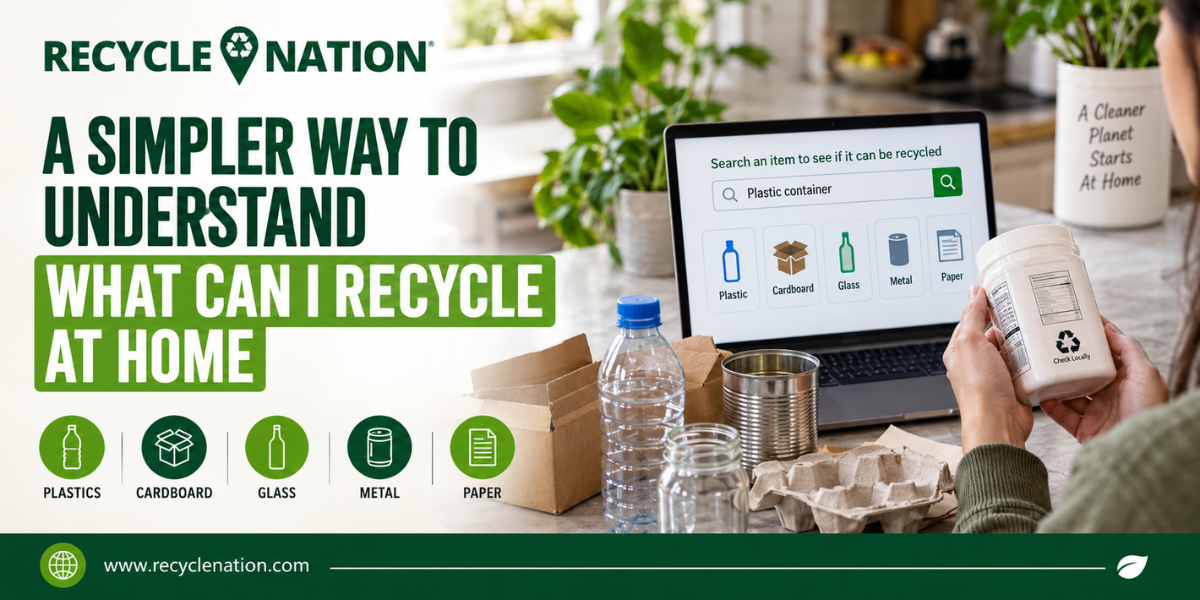
What Can I Recycle in a Typical Home?
There are a variety of items that can be recycled in a recycling program. However, the exact list will vary depending on your City, County, or waste provider.
Common items that can be recycled include paper, cardboard, food boxes, mail, beverage cans, food cans, glass bottles, jars, jugs, and certain plastic bottles, according to the EPA.
Paper and cardboard
Paper is one of the most common materials collected from homes. Newspapers, magazines, office paper, mail, and many food boxes can qualify.
Cardboard boxes can also go into many programs. Flatten shipping boxes first. Remove loose plastic film, foam, and large pieces of packing material.
Pizza boxes can be accepted in many areas. Remove leftover food before placing the box into your bin. Grease alone does not always make a box unusable.
Keep paper and cardboard dry. Wet material can create problems during sorting and processing.
Glass and metal
Glass bottles and jars are accepted by many local programs. Rinse out food or drink residue, then follow local instructions about lids and caps.
Metal cans also belong in many household programs. Aluminum drink cans and steel food cans are common examples. Empty containers before sorting them.
Which Plastics Can I Recycle?
Plastic can cause confusion because different communities accept different types. A number inside the recycling symbol does not guarantee local acceptance.
Check the container and local guide
Plastic bottles, jugs, and jars are accepted by many programs. However, plastic bags, wraps, and films usually need another collection route.
Never assume that every plastic container belongs in the curbside bin. Check your local list before adding an unfamiliar item.
Ask three simple questions:
- Does the local program list the item?
- Is the container empty and reasonably clean?
- Does the collection service give special instructions?
Plastic bags deserve extra care. Loose bags can become caught in sorting equipment. Some grocery stores and special drop-off sites accept them instead.
What Can I Recycle in My Area?
Local rules are the most helpful when it comes to the question of what can I recycle in my area. Look on your city or county's waste service website for the most up to date list of acceptable materials. The EPA also recommends checking with a local recycling program since most recycling programs do not accept all items.
Check before you toss
Keep a short list near your kitchen recycling bin. Such a note can help everyone in the home sort items correctly.
For example, your list could include:
- Paper and flattened cardboard
- Food and beverage cans
- Accepted glass containers
- Listed plastic bottles and jugs
- Other materials named by your local service
To recycle things the U.S. Environmental Protection Agency offers general recycling information. Local agencies should still take priority because collection rules vary.
Avoid guessing when an item is unclear. EPA warns that unwanted materials can contaminate a recycling load.
When no clear answer appears, contact the local waste department. A quick check can prevent an unsuitable item from entering the recycling stream.
Recycle Things That Need Special Handling
Not every useful material belongs in a household recycling bin. Batteries, electronics, chemicals, and some other products need separate collections.
Batteries and electronics
Do not place batteries in your household garbage and recycling services unless they are accepted in your local community program. Many rechargeable and lithium-ion batteries need special drop-off sites, EPA says.
There are also other phones, computers, tablets, etc. that need to be collected – they can be old but they must have an appropriate collection means. Recycling may be available at retail take-back facilities, community events, and designated recycling facilities.
Home chemicals require attention, too. Some types of paint, solvents, pesticides, cleaners and some types of light bulbs may need special handling. Never pour an unknown chemical down a drain. Similarly, don't put these products into a normal trash receptacle.
Second chances for clothing, shoes, toys, and usable household products. When something still functions there is a possibility of donating or reusing it, which could be more sensible. Not all recycling is done first.
Simple Habits That Make Sorting Easier
Good recycling starts before materials reach the curb. A few simple habits can reduce confusion.
Keep one container for accepted paper and packaging. Empty food containers before sorting them. Rinse items when required by your local program, then allow them to dry.
Also, ensure plastic bags and films are separated from other materials unless the collection service explicitly collects plastic bags and films. EPA advises to maintain the cleanliness and dryness of recyclables and to verify local regulations.
Household waste can also be minimized by shopping habits. If possible, select less-packaged products. Make use of strong boxes, jars and containers as long as they are still useful.
A purpose other than food scraps and yard waste exists. Fruit and vegetable peelings, leaves and grass cuttings are compostable at home.
FAQs About Household Recycling
1. Can every item with a recycling symbol go into my bin?
No. The symbol does not guarantee local acceptance. Check your area's recycling guide first.
2. Should recyclable containers be washed?
Follow local instructions. Empty containers and reasonable cleaning can help reduce food residue and contamination.
3. What should I do when I cannot find an item's rule?
Contact your local waste department or collection service. Keep the item out of the recycling bin until you know the correct disposal route.
Conclusion
When you follow the local rules instead of guessing, you'll find what can I recycle and what can't be recycled. Some common materials include paper, cardboard, cans, glass, and some plastic items (not all plastic items are accepted). Maintain appropriate materials in a dry and clean condition. Keep batteries and electronics, chemicals and other special products apart from recycling. Most important of all, consult your current guide in your area before adding a new item to the bin. There are some simple, but important, habits that can make house sorting easier and ensure that useful materials are put in the right waste stream.